Heat styling damage rarely comes from one dramatic incident. It accumulates — a flat iron run a little too hot, a second pass over hair that was still damp, a month of daily blow-drying without protectant — until the ends feel rough, the shine goes, and styles stop holding the way they used to. The good news is that heat damage is one of the most preventable problems in hair care in Kannapolis, because almost all of it comes down to temperature, preparation, and frequency.
Think of this as a maintenance calendar rather than a lecture. What to do at every styling session, what to check monthly, and what changes across the year will keep the tools you enjoy from quietly costing you length.
Every session: the non-negotiables
Start with the sizzle test. If you press a flat iron or curling iron to damp hair and it sizzles, stop. That sound is water boiling inside the strand, and it does internal damage that no serum reverses. Hair should be fully dry before irons touch it, unless you are using a tool made specifically for wet-to-dry use. Blow-drying damp hair is fine, that is its job, but irons and wet hair do not mix.
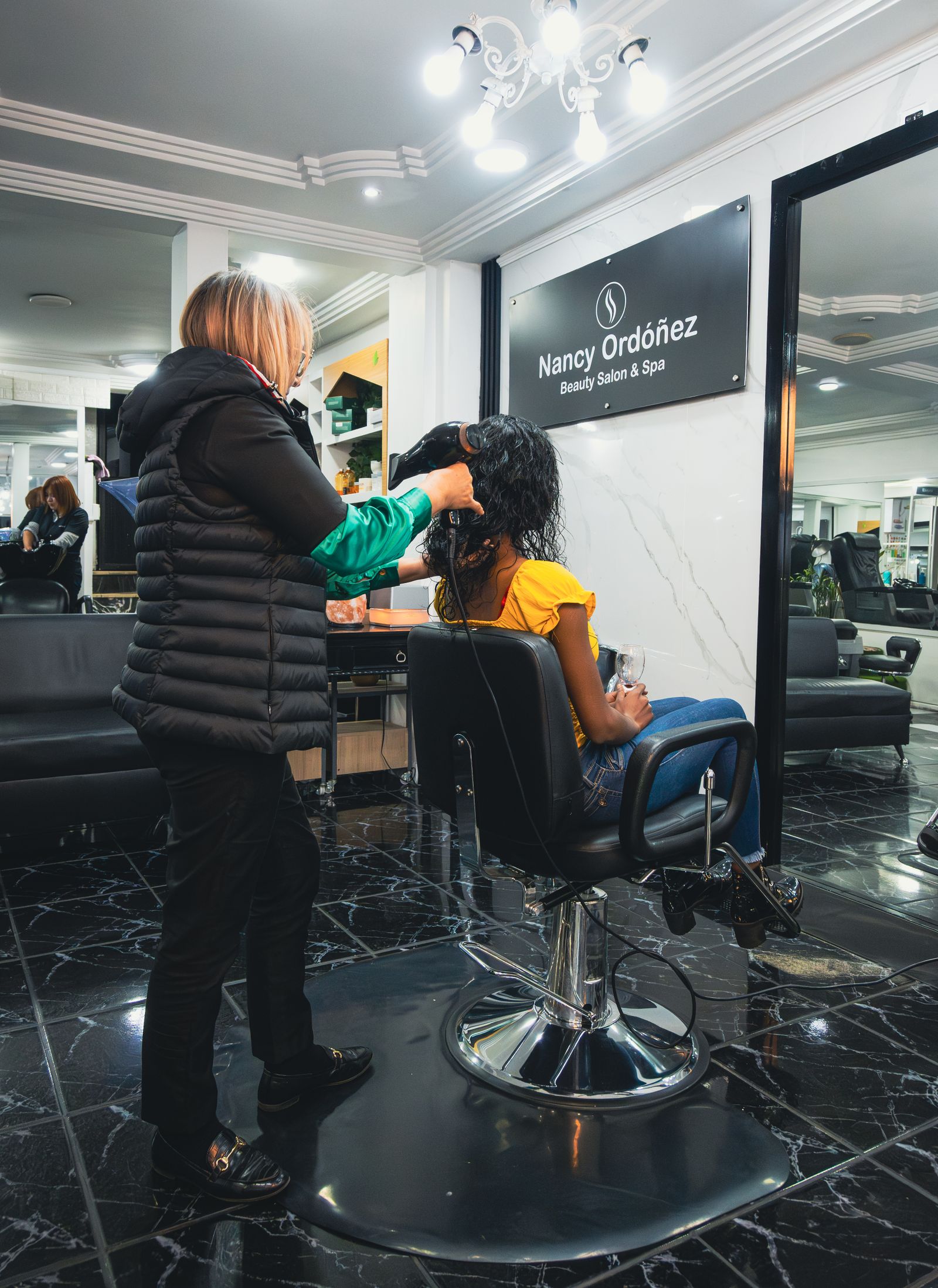
Heat protectant goes on before the tool, every time, worked through so it actually coats the hair rather than sitting in one spot. Then set the temperature for your hair, not for the result you are impatient for. Fine or damaged hair generally belongs at the lower end of a tool's range, roughly in the low-to-mid 300s in Fahrenheit; medium hair in the mid range; coarse, resistant hair can take more, but rarely needs a tool's maximum. The lowest temperature that achieves the style in one or two slow passes is the right one. Three fast passes at lower heat can do more damage than one deliberate pass at the correct heat, because the hair gets heated repeatedly.
A maintenance calendar for heat users
| When | Action | Why it matters |
|---|---|---|
| Every session | Protectant on, hair fully dry for irons, lowest effective temperature, one or two slow passes | Prevents the cumulative damage that builds invisibly session by session |
| Weekly | At least one or two no-heat days if you style daily | Gives hair recovery time and reveals its real condition honestly |
| Monthly | Check ends for white dots, roughness, and splits; deep condition once or twice | White dots mark future breakage points, and early trims stay small trims |
| Every 6–8 weeks | Trim, sized to damage found | Removes heat-weakened ends before they split upward into healthy hair |
| Spring (pollen and humidity rising) | Shift some styles to heat-free methods as humidity fights straight styles anyway | Less ironing against the weather means less repeated rescue heat |
| Summer | Protect before swimming, rinse after, lean on braids and updos on pool days | Chlorine plus heat is a damaging combination on already stressed hair |
| Fall and winter | Watch indoor heating dryness; add conditioning, ease off maximum temperatures | Dry air pulls moisture out, and dry hair tolerates heat worse than conditioned hair |
Technique errors that matter more than the tool
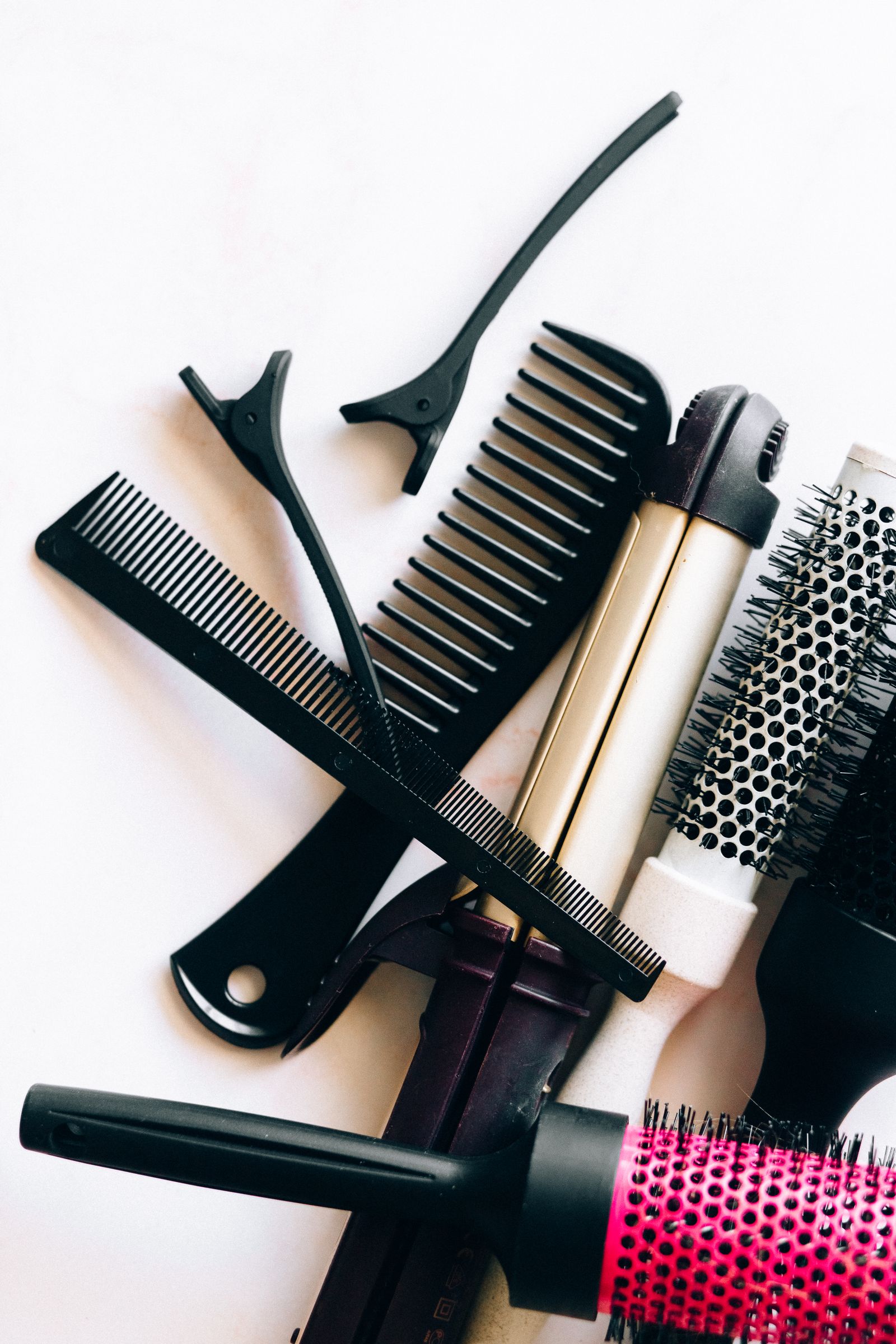
Holding an iron still on one section cooks it. Keep tools moving, in slow, steady passes. Clamping harder does not straighten better; it creases and stresses. Section size matters too, a thick section ironed once is underdone inside and overdone outside, tempting a second and third pass. Smaller sections at a sane temperature give a better result with less total heat. The same logic applies to blow-drying: a brush providing tension, with the nozzle aimed down the shaft, smooths hair at lower temperatures than hot air blasted at a tangled mass.
Repairing the routine when damage is already there
Damaged hair cannot be un-damaged, but it can be managed while healthy hair replaces it. Lower the temperature, cut the frequency, add regular conditioning treatments, and trim on schedule rather than chasing length with ruined ends. At The Final Touch Hair Studio, a conditioning treatment and an honest trim plan are usually the first two steps, in that order. Be skeptical of any product promising to permanently reverse heat damage, smooth and stronger-feeling is achievable, restored is not.
Common questions
What temperature should I use on my flat iron?
The lowest that styles your hair in one or two slow passes. Fine or damaged hair usually belongs in the low-to-mid 300s Fahrenheit, and few heads need a tool's maximum setting.
Is air-drying always better than blow-drying?
Not always. A careful blow-dry on a moderate setting with protectant can be gentler than hours of wet, fragile hair rubbing against clothing and bedding. Irons on damp hair are the real problem.
How can I tell if my hair has heat damage?
Look for ends that feel rough or straw-like, white dots along strands, loss of shine, curls that no longer spring back, and breakage that leaves short pieces around the hairline.
Photos in this guide are representative stock images.
← All guides from The Final Touch Hair Studio← Back to The Final Touch Hair Studio