Event hair in Kannapolis has a season, and it is not evenly spread. Prom season lands in spring, wedding season builds through late spring and fall, and holiday parties close the year. Each peak brings the same pattern: Saturdays book out, humidity or cold dry air changes how hair behaves, and the clients who planned a few weeks ahead get the calm version of the morning while everyone else negotiates with a full calendar. Timing an event style is therefore partly a seasonal decision, not just a date decision.
This plan works backward through the seasons — what to book before the rush, what the trial needs to test under real conditions, and what to have in hand on the day.
Book with the season, not against it
In spring, school proms cluster on the same handful of Saturdays, and salons fill those mornings weeks out. If your event falls in that window, book the day-of appointment as soon as the date is announced, and expect trial slots to be tighter too. The same applies to peak wedding weekends in May, June, and October, when stylists are also traveling for on-site parties.
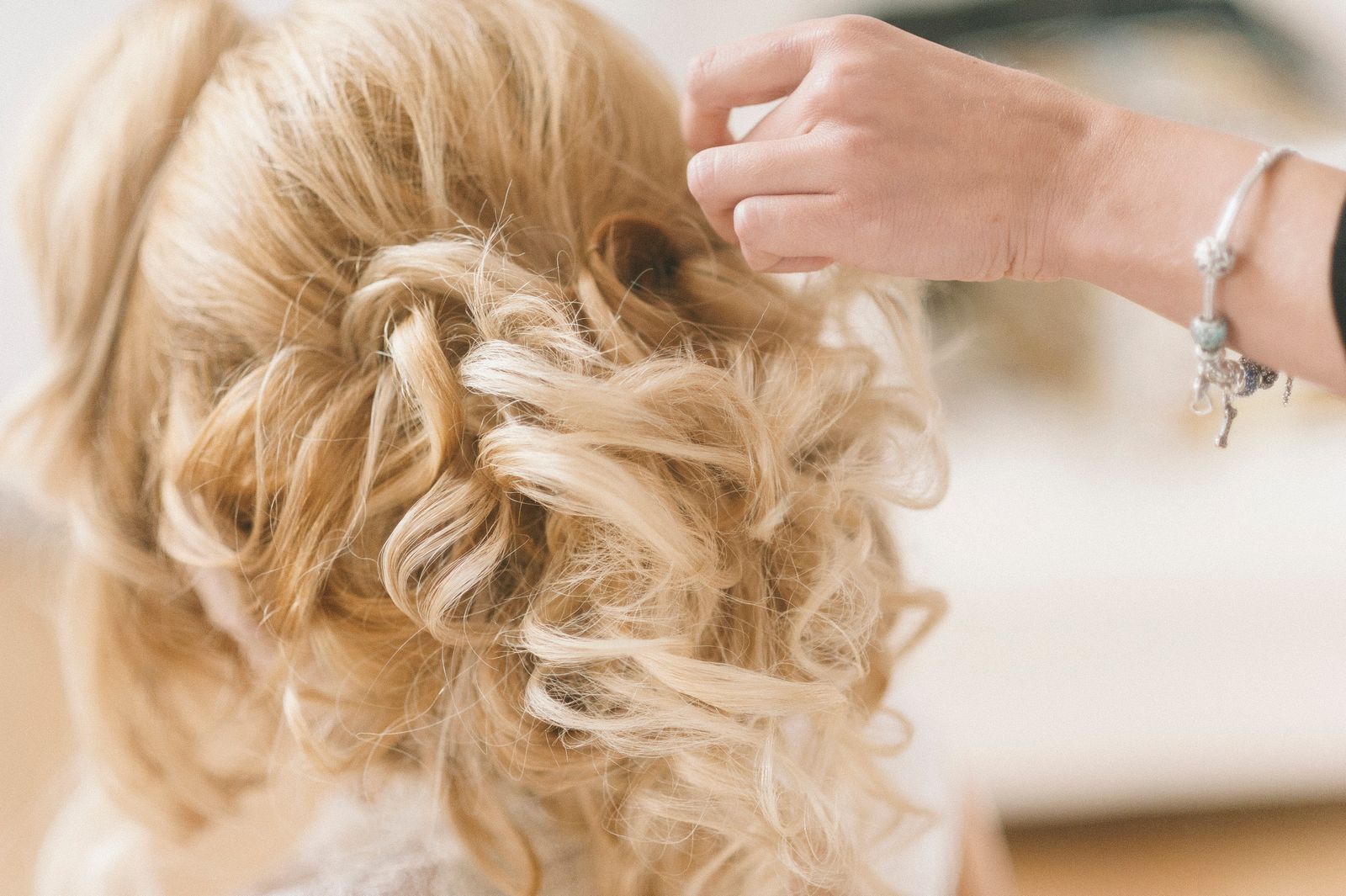
Season also changes the style advice itself. A loose, smooth style that behaved in April may fight June humidity in the Piedmont, swelling and softening by evening. Updos earn their keep in summer because hair off the neck and shoulders survives heat, dancing, and photographs better. In winter, the enemy flips: dry indoor air and static, which a trial can plan for with product choices.
The seasonal event checklist
From booking to the day of the event
- Date set, appointment booked: Reserve the day-of slot as soon as the event date is known, especially for spring prom and peak wedding Saturdays when mornings fill first.
- Trial placed four to eight weeks out: Close enough that your length and color resemble the day, far enough to allow a second trial or a fix if the style fails.
- Weather test built into the trial: Wear the trial style for a full day, including time outdoors, so humidity, wind, or dry air get their vote before the event does.
- Color placed about two weeks before: Fresh enough to photograph well, with a small buffer if the tone needs adjusting. Major color changes belong in an earlier season entirely.
- Dress and accessories at the trial: Bring the veil, headpiece, or statement earrings, and wear a similar neckline, so the style is judged as a whole rather than as hair alone.
- Day-of kit packed the night before: Bobby pins, a small brush, travel hairspray, and any lip product for touch-ups — assembled before the morning, not during it.
- Schedule built with slack: Add a buffer to the time the trial took, because event mornings reliably produce one delay somewhere.
What the trial must prove
A trial has three jobs. It proves the style suits you with your dress and accessories. It proves your hair can hold it, fine hair and curl patterns give honest answers within a few hours of wear. And it measures the build time, which sets the day-of schedule for you and for anyone else in the party. Take photos from the front, side, and back before you leave the salon. Those photos are the agreement about what the day-of style is.
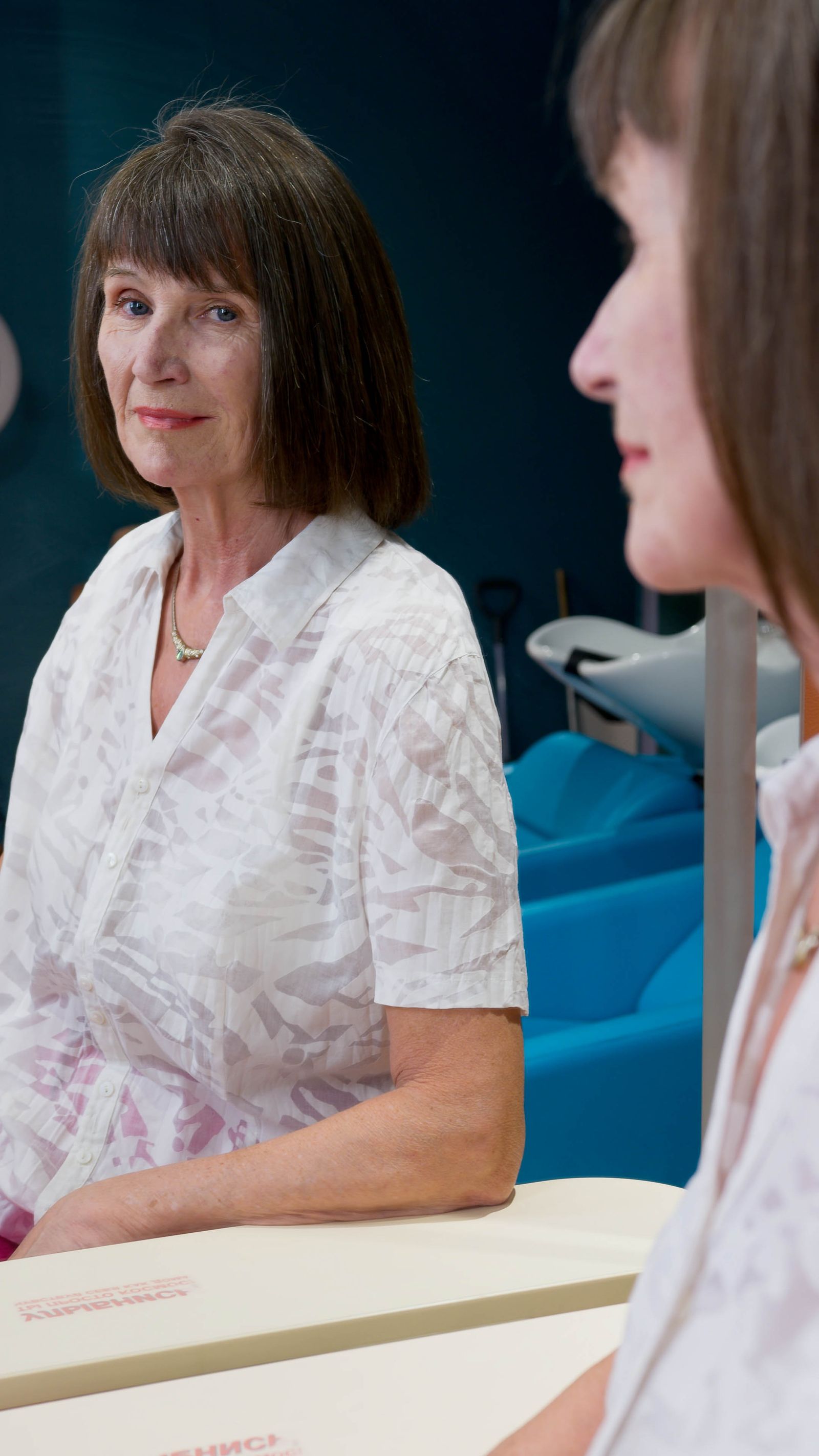
If the style sags, aches, or simply is not you, say so at the trial. Changing direction is a normal use of the appointment and far cheaper in every sense than changing it on the morning of the event. Stylists at The Final Touch Hair Studio would rather rebuild a trial than rescue a wedding morning.
The day-of plan itself
Arrive with hair in the state agreed at the trial, usually clean and fully dry, often washed the day before so the style has grip. Wear a button-front top so it can come off without passing over the finished hair. Keep the morning order simple: hair built to last the longest goes first, and the guest of honor should not be scheduled last against a hard departure time. Eat something. It sounds unrelated to hair, and it decides more event mornings than any product does.
Common questions
How early do prom and wedding Saturdays fill up?
Peak spring and fall Saturdays can fill weeks ahead. Book the day-of appointment as soon as your event date is set rather than waiting for the trial.
Is an updo better than wearing hair down in summer?
For humid weather, usually yes. An updo resists humidity, heat, and movement better, while loose smooth styles tend to swell and soften by evening.
What should I bring to my trial?
Photos of styles you like, your veil or headpiece if you have one, and a top with a neckline like your dress. Plan to wear the style for several hours afterward.
Photos in this guide are representative stock images.
← All guides from The Final Touch Hair Studio← Back to The Final Touch Hair Studio